
New Short Film ‘Night Moves’ at the Royal West of England academy summer show ‘Dance Out’
Dance Out
‘Dance Out’, opening on 9 May 2026, marks the first time the RWA has ever featured dance at the core of a major exhibition and accompanying live programme, and includes a newly commissioned film from renowned artist Melanie Manchot and an experiential soundtrack produced by Bristol-based DJs.
Curated by David Remfry RA and art historian James Russell, ‘Dance Out’ brings together paintings, drawings and film across decades of dance culture – from 20th century London and New York to Bristol’s contemporary nightlife.
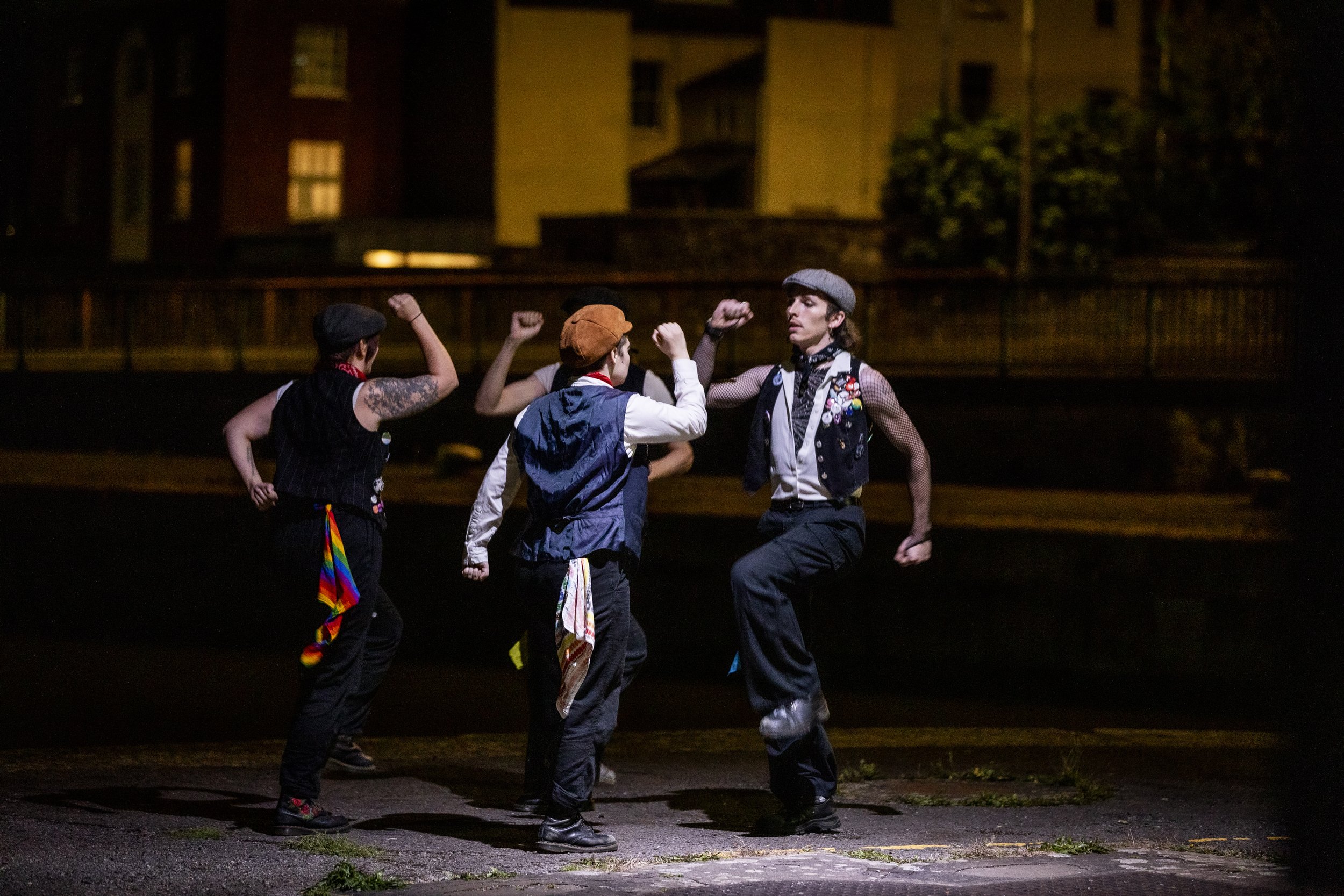
For the first time, a fully accessible, haptic Beat Blocks dancefloor, which transforms sound frequencies into powerfully felt vibrations, will be installed in the RWA’s main gallery. For a series of late-night events, the gallery will host some of Bristol’s most exciting dance talent including Bristol Swing Riot and more.
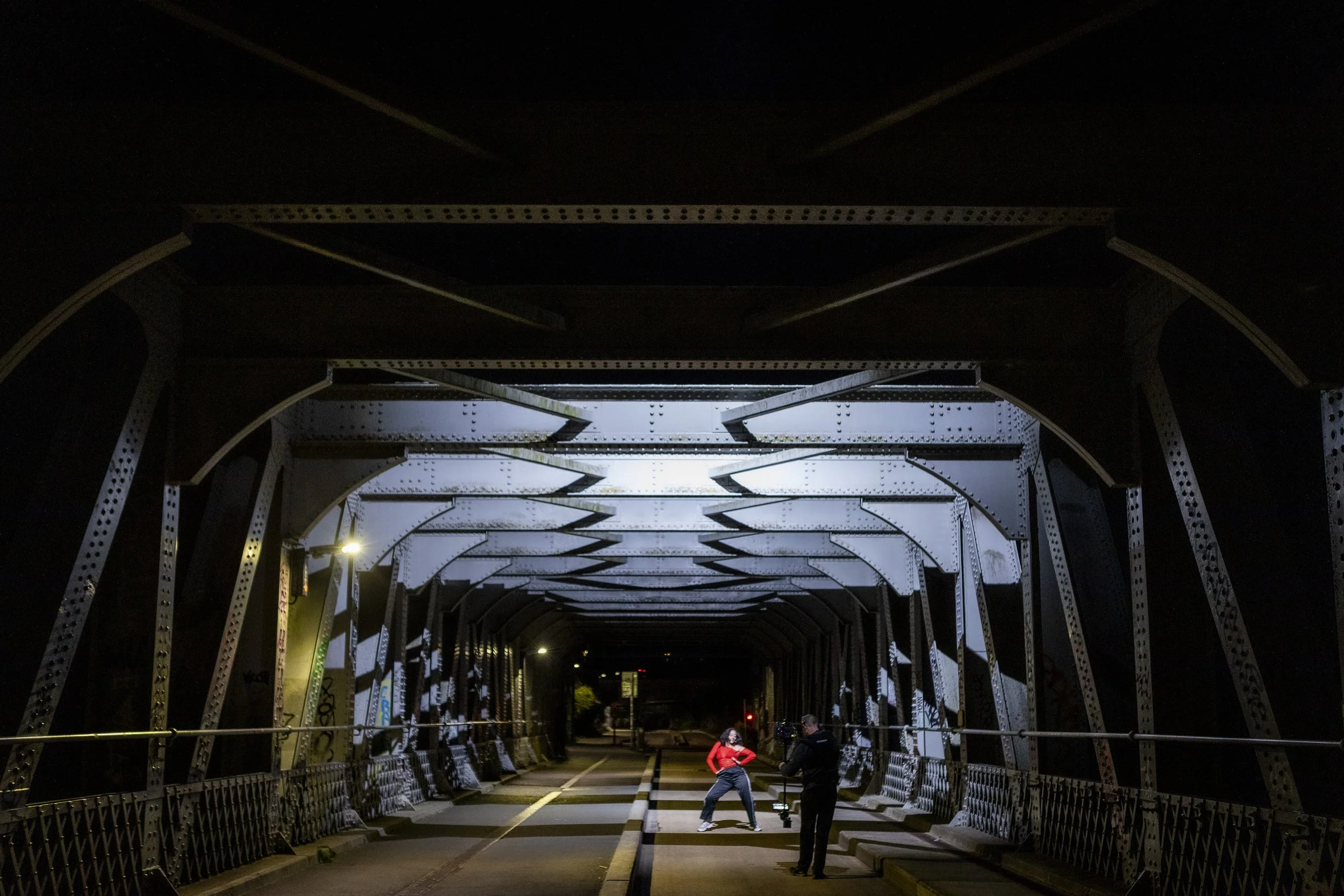
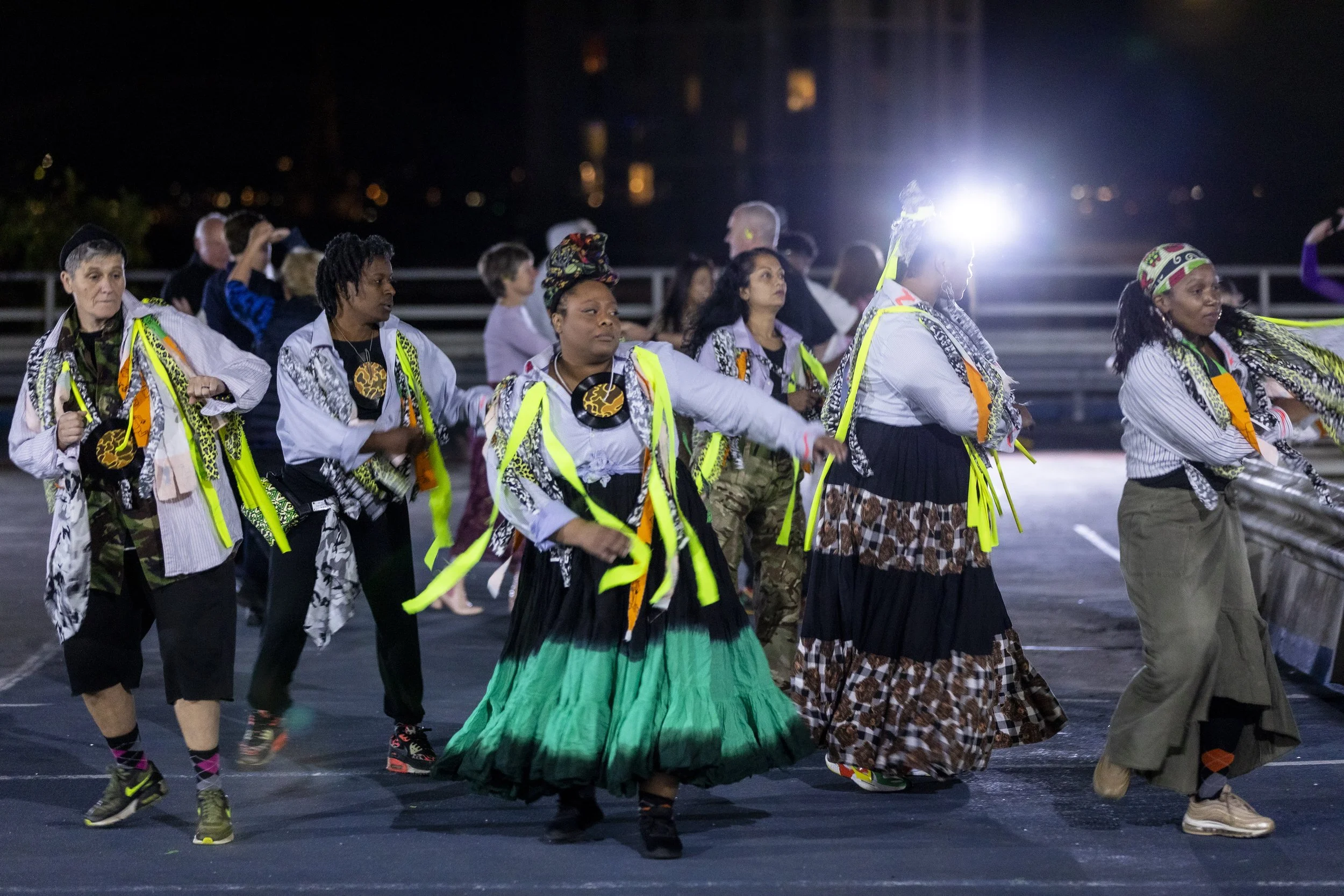
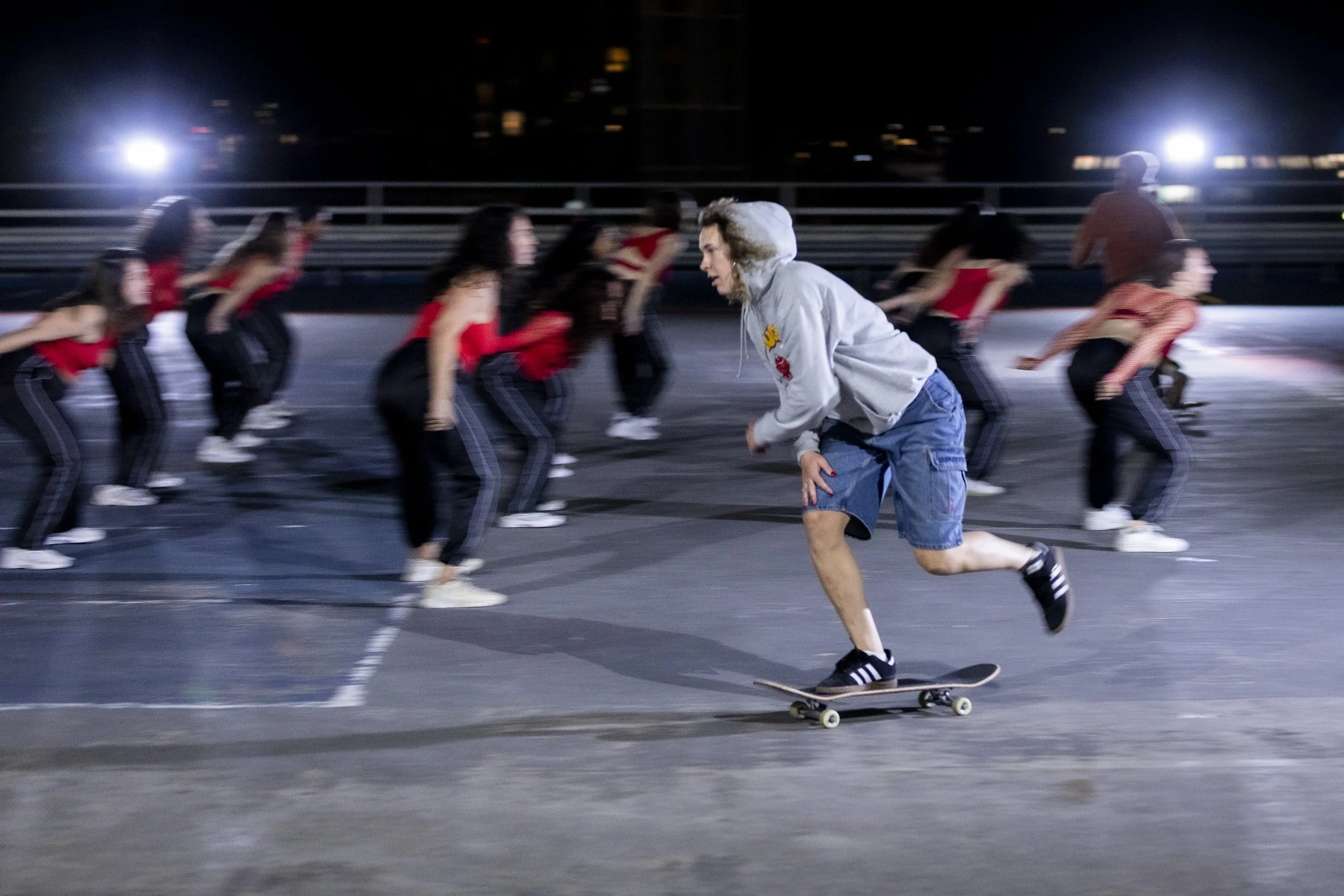
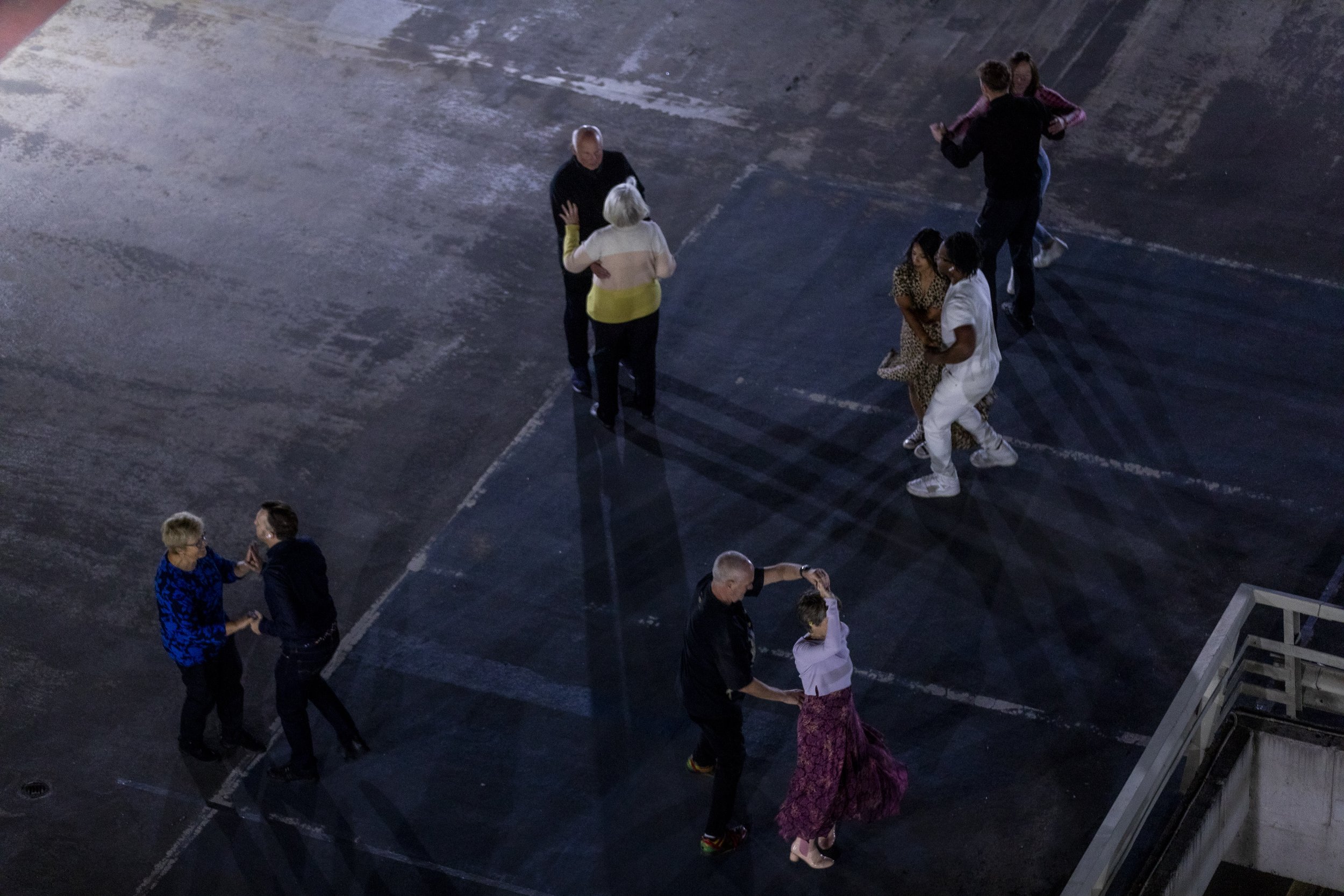
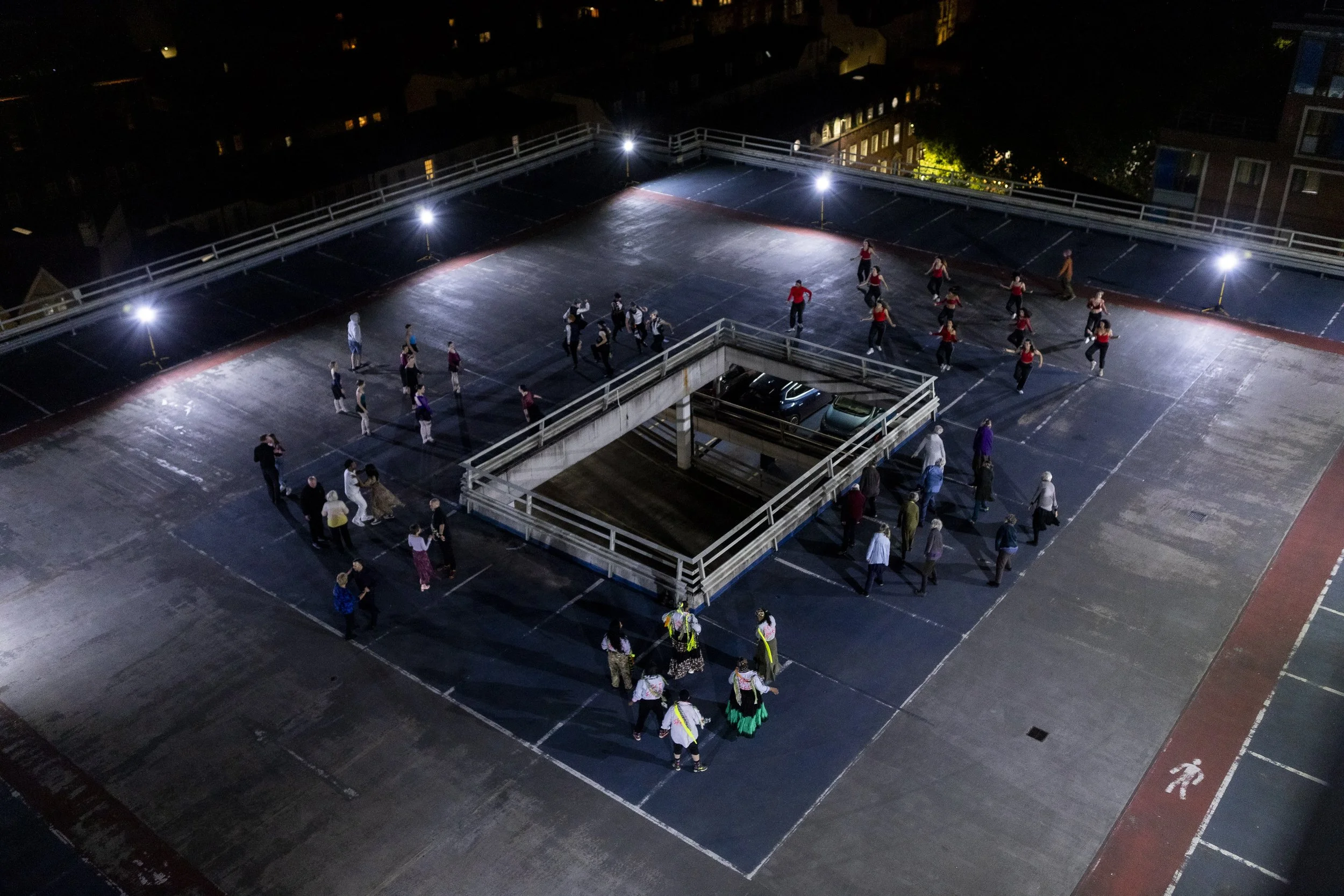
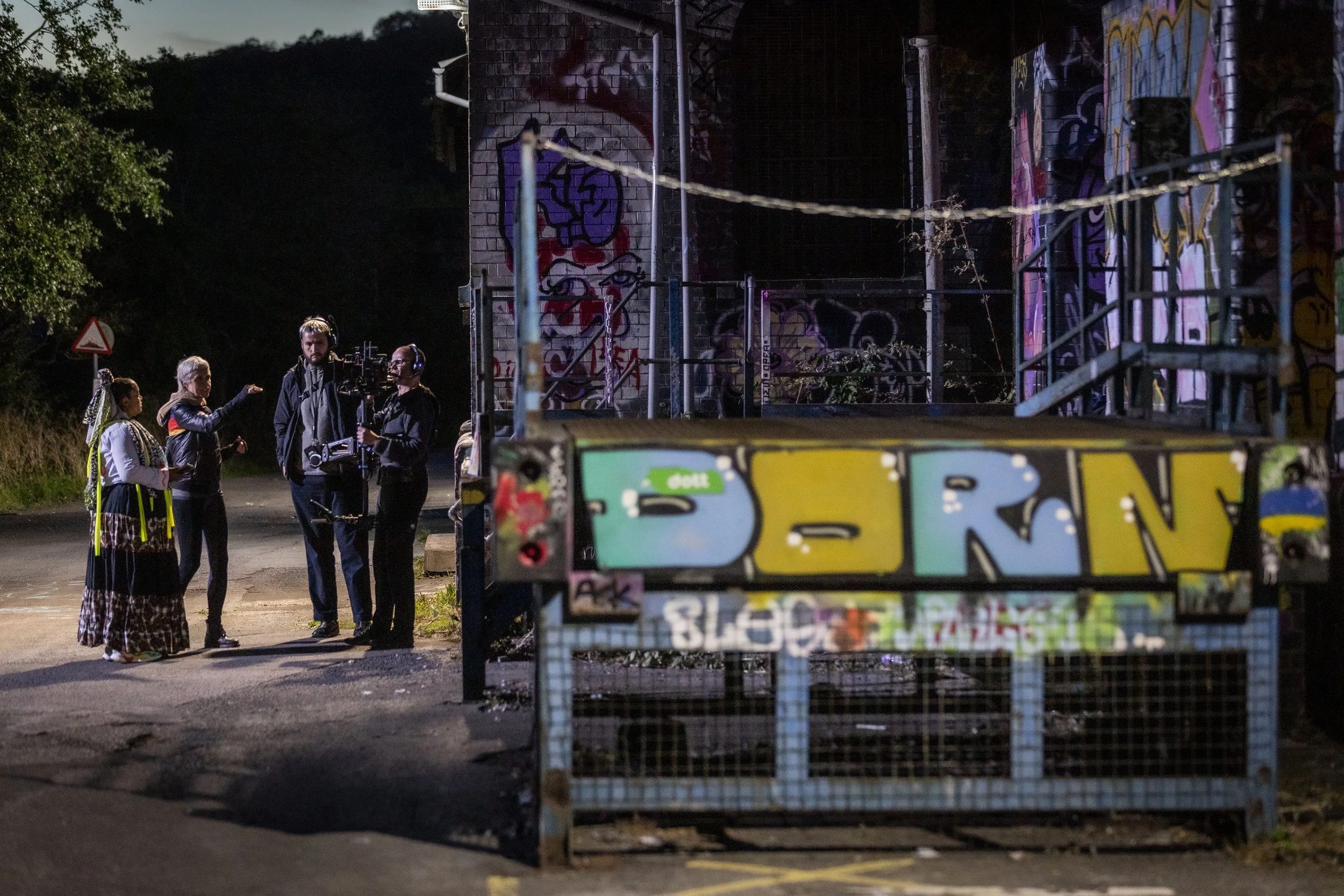
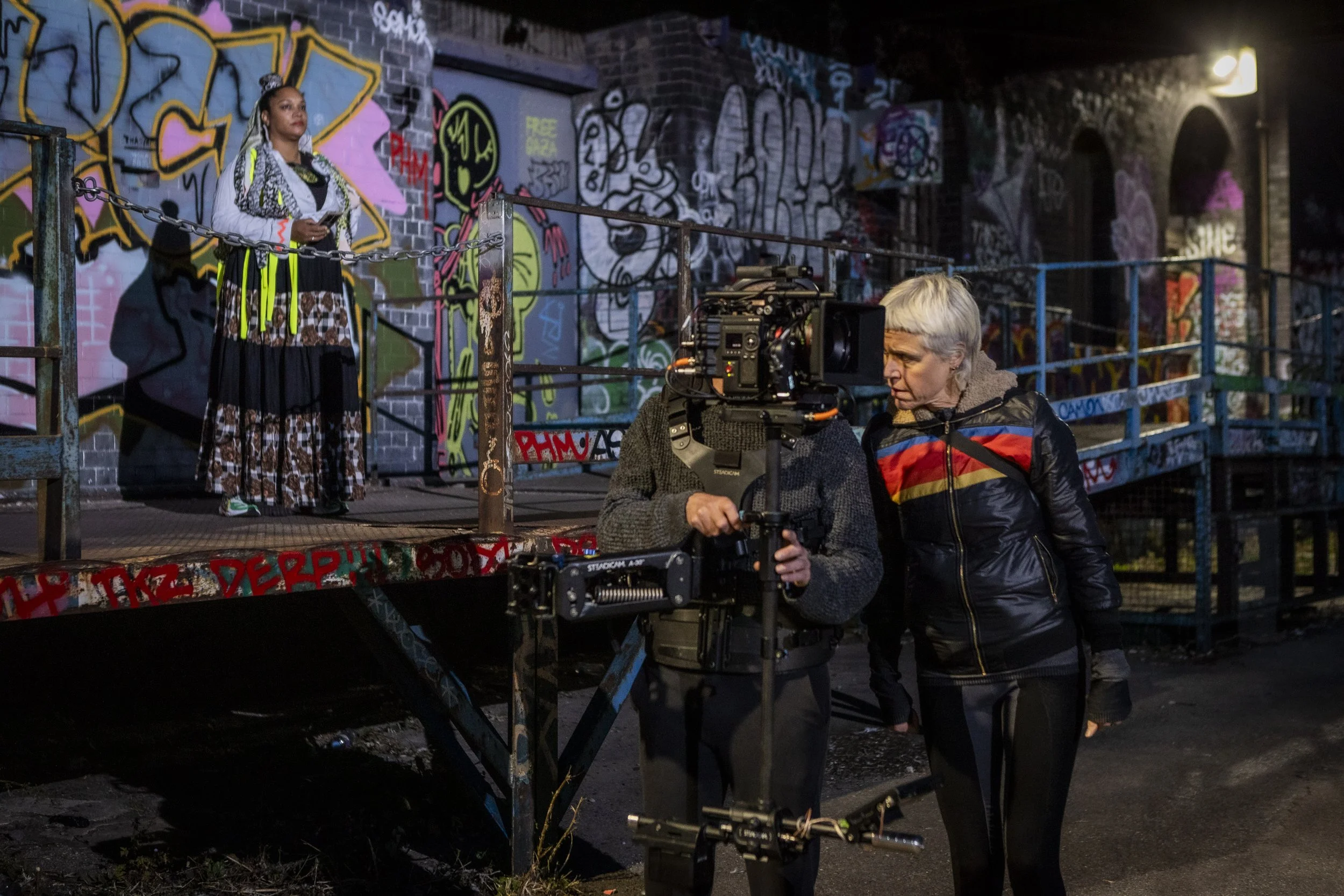
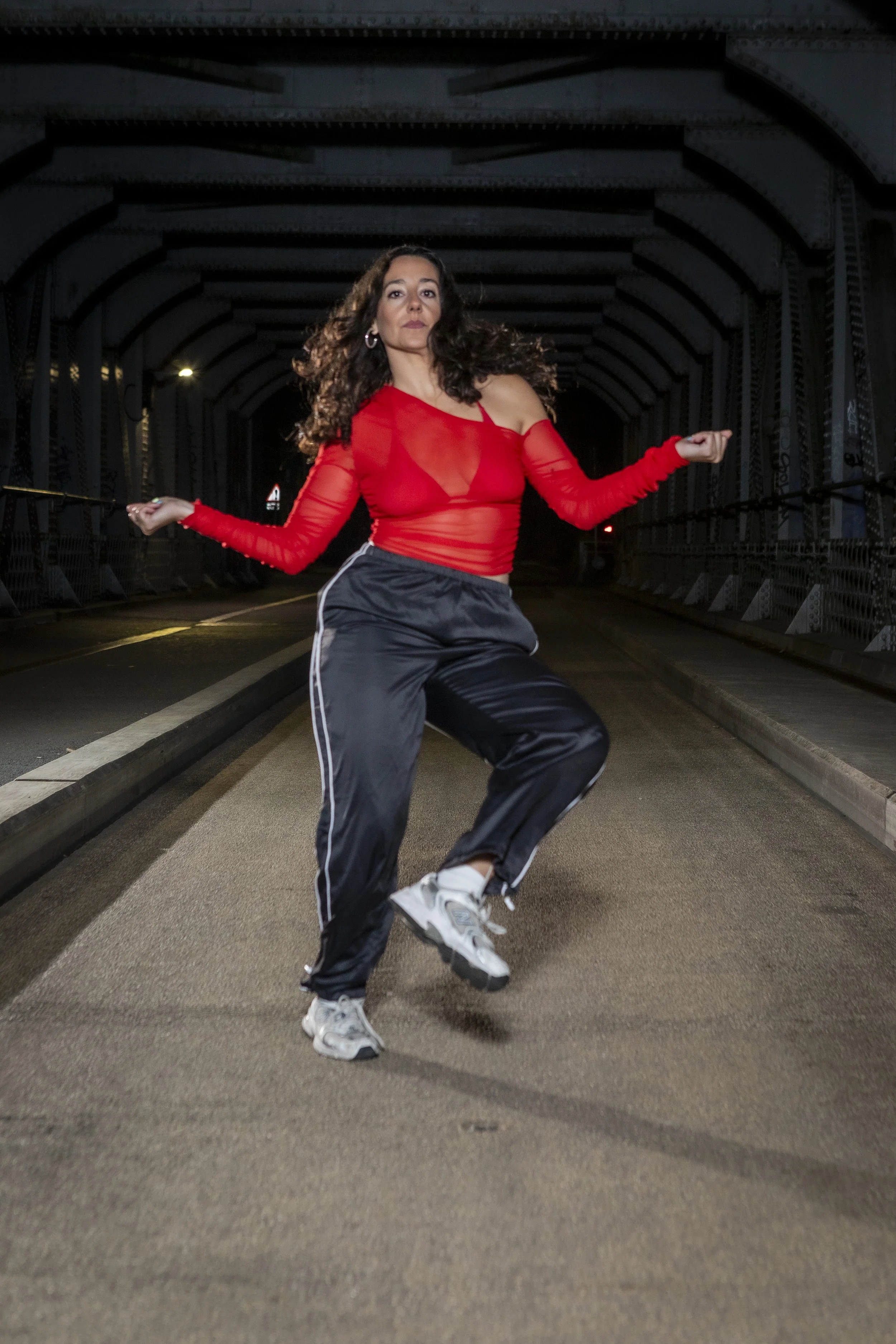
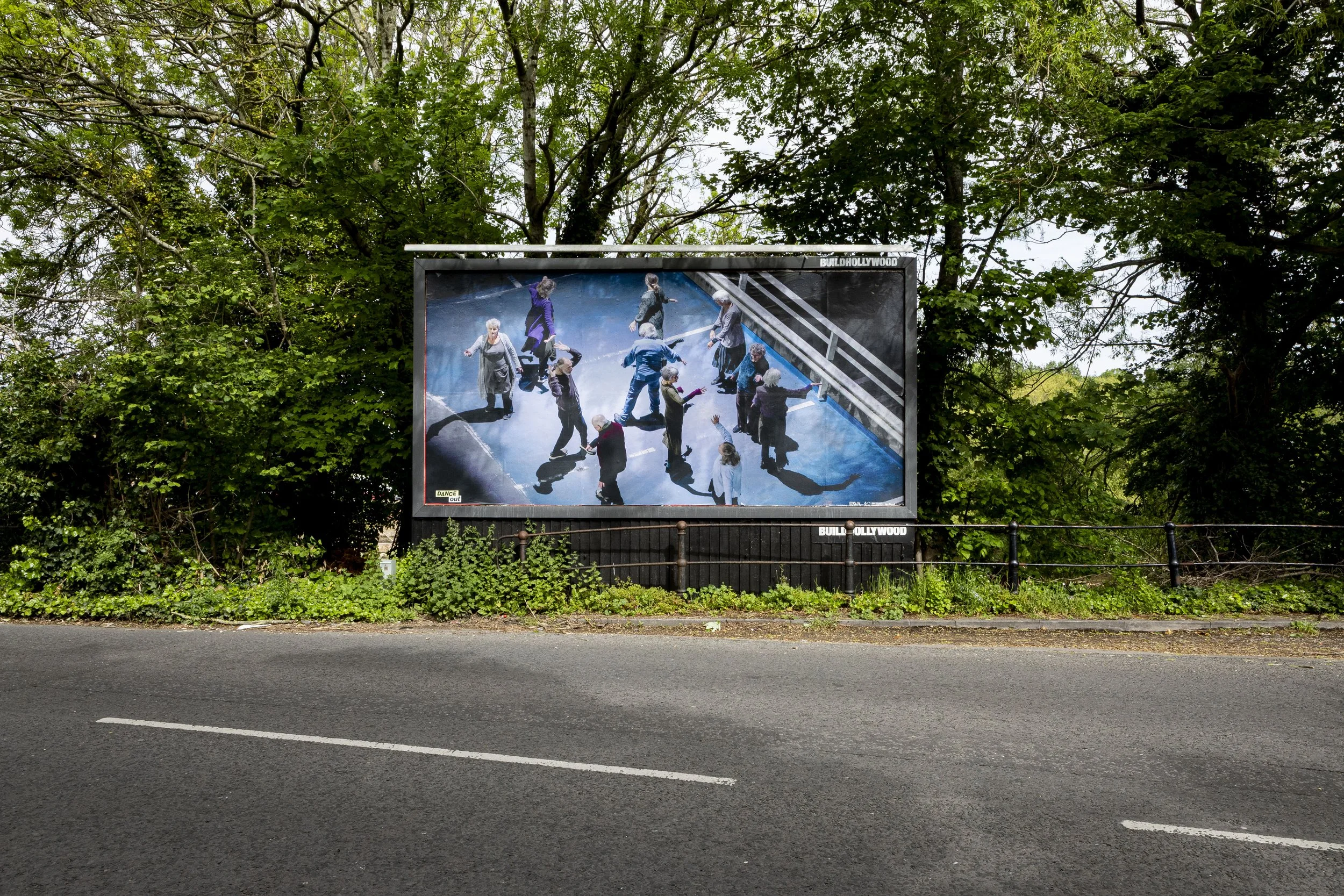
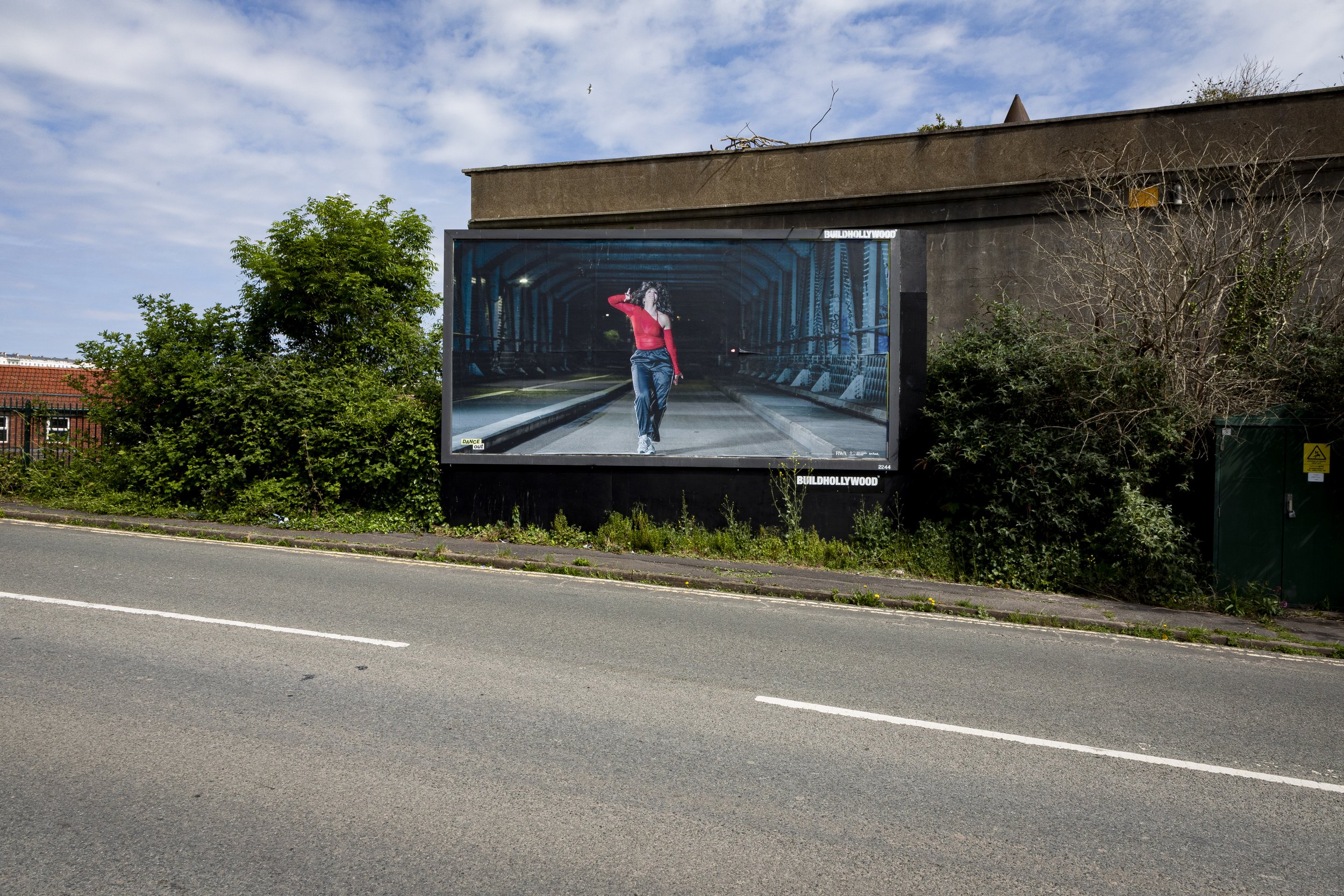
At the heart of the exhibition is ‘Night Moves’, an immersive installation by award-winning artist Melanie Manchot with Creative Production by Charlotte Pyatt. Bristol dancers devised their own routines and performed them in spaces across the night-time city from Bedminster to Birdcage Walk, with the resulting film becoming part of the RWA’s permanent collection. A citywide billboard takeover will bring the film onto Bristol’s streets, inviting conversations about dance, community and belonging before visitors step through the doors. “Dance is a dynamic, physical language, allowing us to communicate and connect through gesture, rhythm and movement. Across diverse cultures and histories, it is inherent in all of us and brings us together.
“Night-time changes cities – it brings out excitement, energy and desire, but also risk and danger. ‘Night Moves’ celebrates Bristol’s trailblazing nightlife culture and recognises its need for protection amidst financial challenges and the privatisation of public space.
“Without clubs and safe spaces, there is less dancing. Without dancing, we are less human.”
All photos credit Tom Sparey